

Inclusive Design Hub

Gamifying Accessibility Standards for Tech Teams

Hero Featured Image

Client

A digital accessibility corporate training company based in New York City.

Tools

  • Adobe XD

  • Photoshop

  • Powerpoint

My Role

Product Designer - Orchestrated end-to-end product design, including strategic user research, journey mapping, and high-fidelity prototyping. Led a collaborative design pod to deliver a comprehensive learning experience.

Project Time

3 Months

Background

Our client, a leading digital accessibility consultancy, conducts intensive corporate training seminars aimed at tech professionals. Their mission is to champion inclusive design by empowering the teams who actively build and maintain web experiences.

The Challenge

While the single-day seminars effectively introduced accessibility concepts, the intensive format struggled to yield long-term knowledge retention.

  • Attendees experienced cognitive overload, struggling to internalize dense material.

  • Accessibility concepts lacked ongoing reinforcement within their organizational workflows.

  • The absence of post-seminar engagement strategies resulted in a significant drop-off in knowledge application.

Case Study Image

Research Strategy

To bridge the gap between initial learning and long-term retention, I conducted foundational research with target cohorts—spanning educators, students, and tech professionals. My objective was to uncover behavioral patterns related to continuous education, habit formation, and digital engagement post-event.

Guiding Questions

  • How does the client attempt to engage users in the seminars and have them stay engaged post-seminar today?

  • What methods do students use to study and how can I use those methods to have working professionals retain information?

  • How do users respond to notifications from apps and websites post leaving a physical event?

  • What do users think about learning from an app, website or email campaign?


Case Study Image

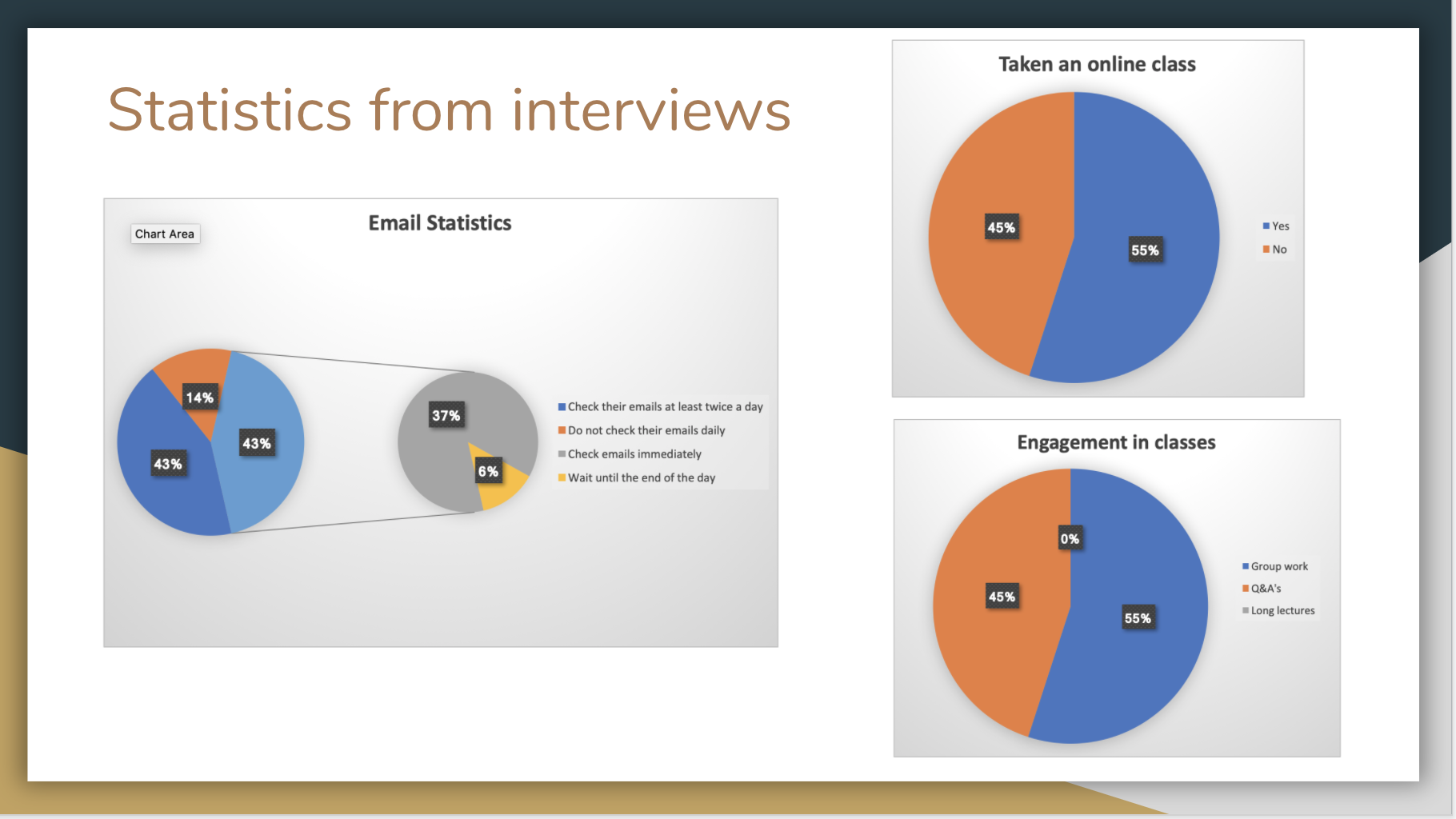
User Insights & Discovery

My qualitative research revealed that sustained engagement relies heavily on collaborative dynamics and relevant, non-intrusive nudges. While professionals are receptive to e-learning, they experience friction with generic, out-of-context communications.

Case Study Image

Synthesis & Problem Framing

Friction Points:

  • Severe time constraints for supplemental learning outside standard working hours

  • High fatigue and dismissal rates for generic, high-frequency notifications

  • Traditional lecture and heavy reading formats fail to sustain focus

  • Existing online courses often lack community and interpersonal engagement

Engagement Drivers:

  • The desire for continuous upskilling and professional growth

  • Strong responsiveness to positive reinforcement and immediate feedback loops

  • Social dynamics and collaborative environments serve as significant intrinsic motivators

Case Study Image

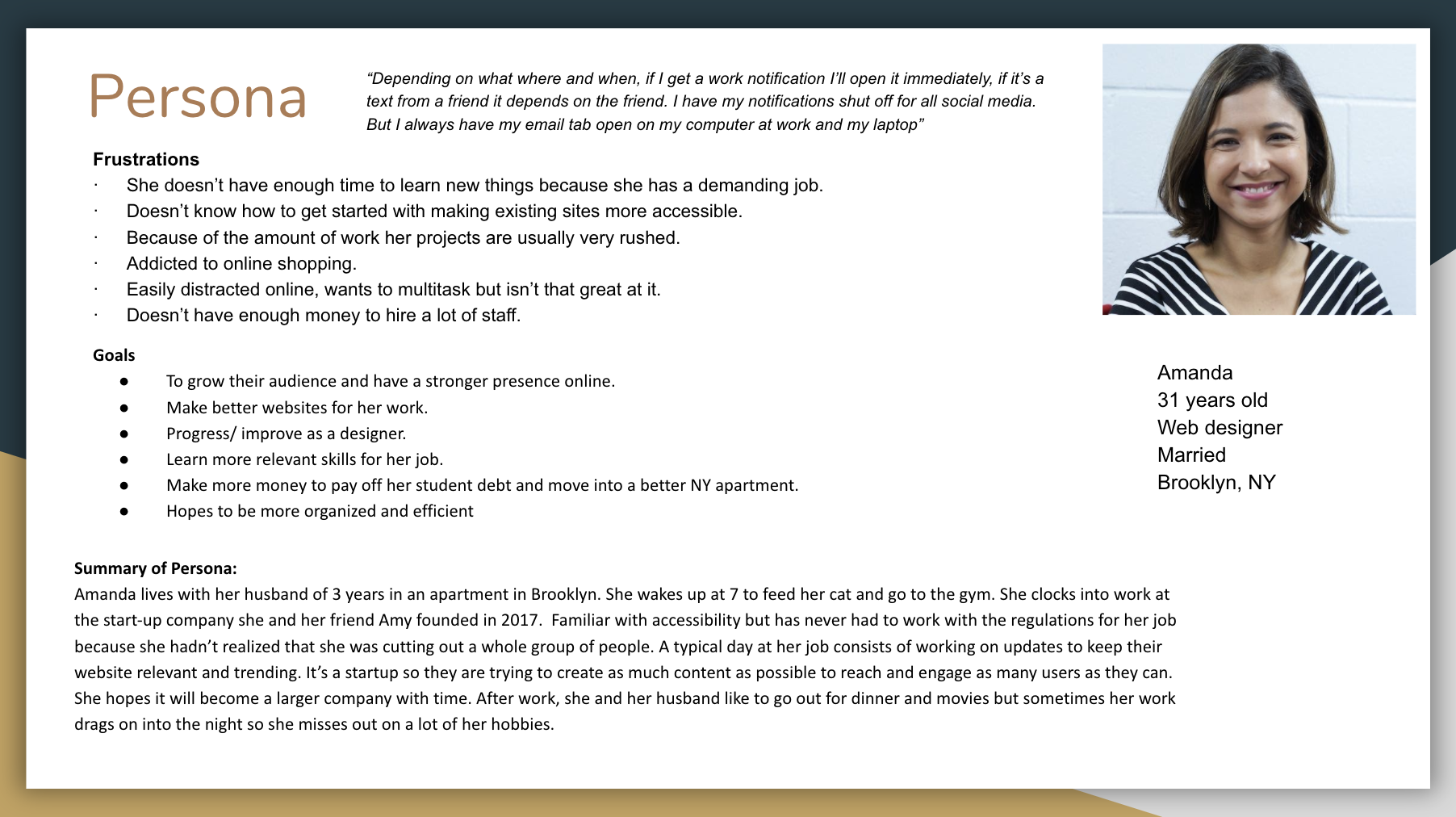
Target Audience Strategy

Synthesizing my qualitative data, I developed comprehensive user archetypes. These personas anchored my design process, ensuring my proposed solution directly addressed the behavioral drivers, time constraints, and learning preferences of mid-career tech professionals.

Case Study Image

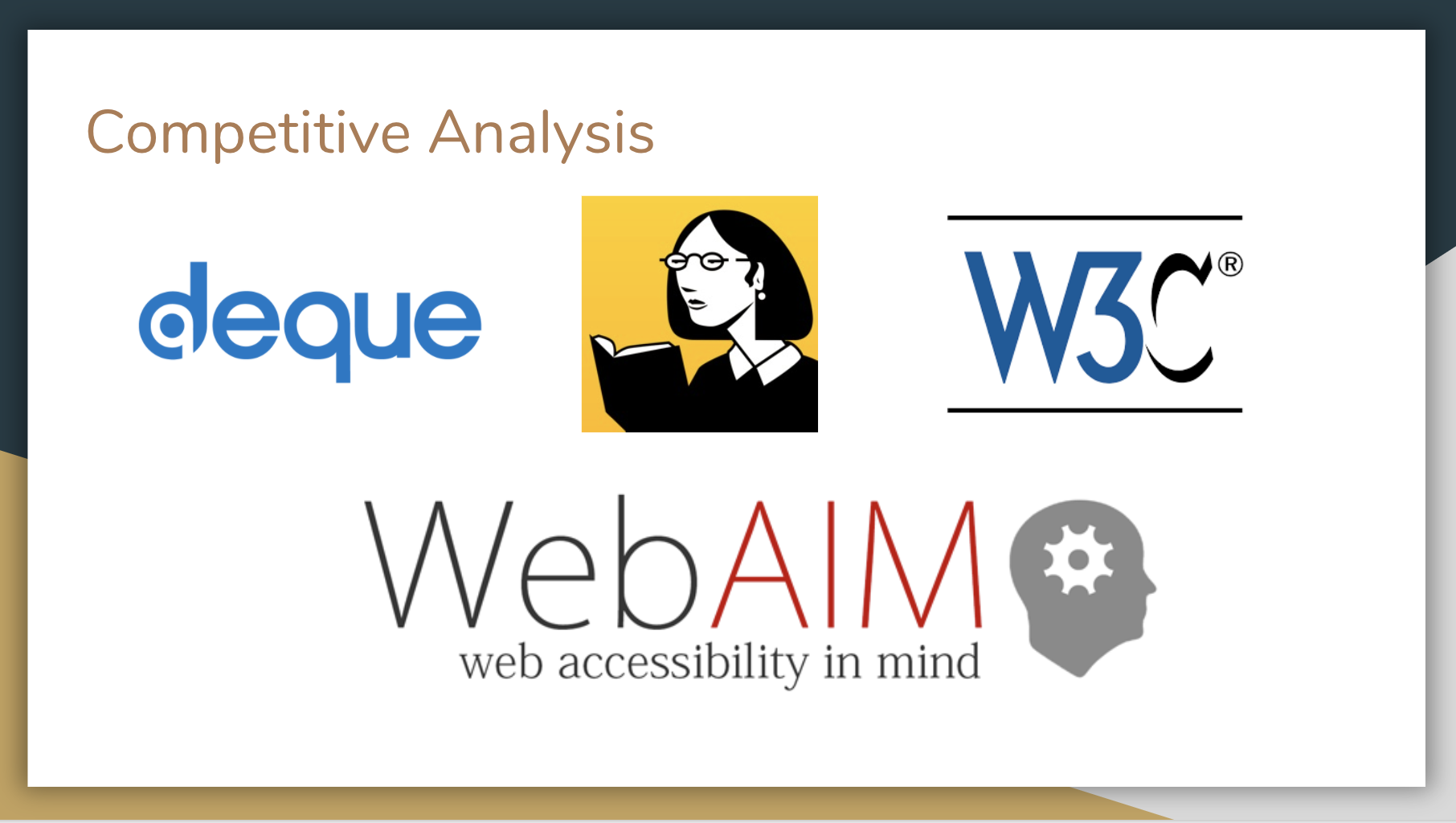
Competitive Landscape

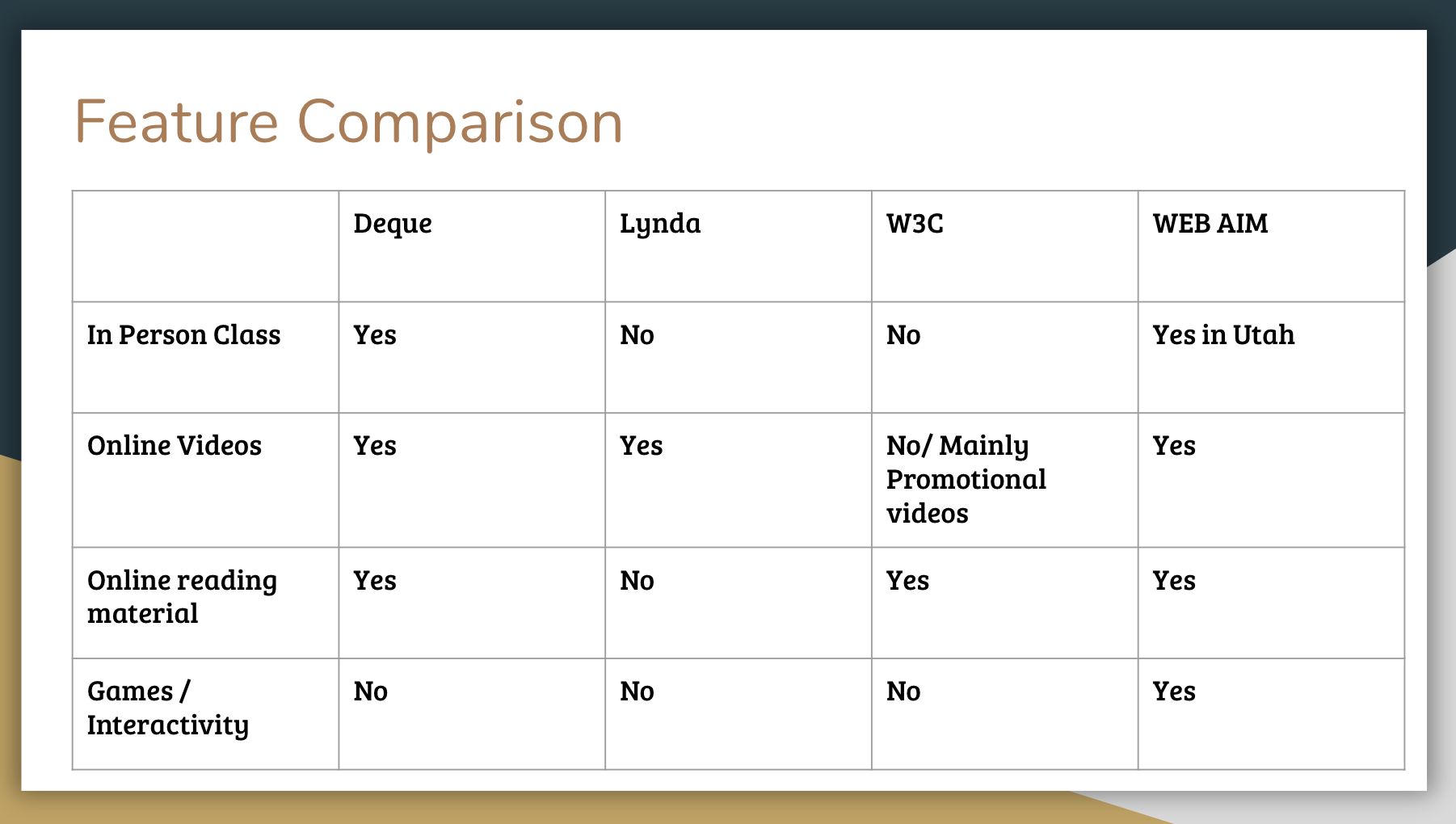
I audited five prominent market players with diverse approaches to teaching web accessibility. This analysis allowed me to identify critical gaps in both in-person and digital learning methodologies, illuminating an opportunity to blend bite-sized education with engaging, competitive mechanics.

Case Study Image
Product Layout Screen

Strategic Hypothesis

I posited that introducing a gamified, mobile-first digital companion post-seminar would significantly increase long-term knowledge retention. By leveraging competitive social dynamics and tailoring the content to specific professional domains, I could transform a one-off seminar into an ongoing, impactful learning habit.

Case Study Image

The Solution

I architected a mobile application designed to serve as an interactive post-seminar ecosystem.

  • Mobile-First Approach: Capitalized on native push notifications for timely, relevant nudges.

  • Gamification Engine: Developed a synchronized leaderboard system enabling colleagues to compete for rewards, driving engagement through social reinforcement.

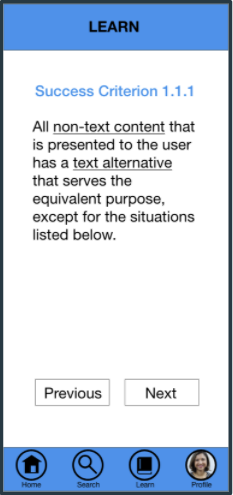
  • Bite-Sized Learning: Structured content into manageable, interactive modules perfectly suited for busy tech professionals.
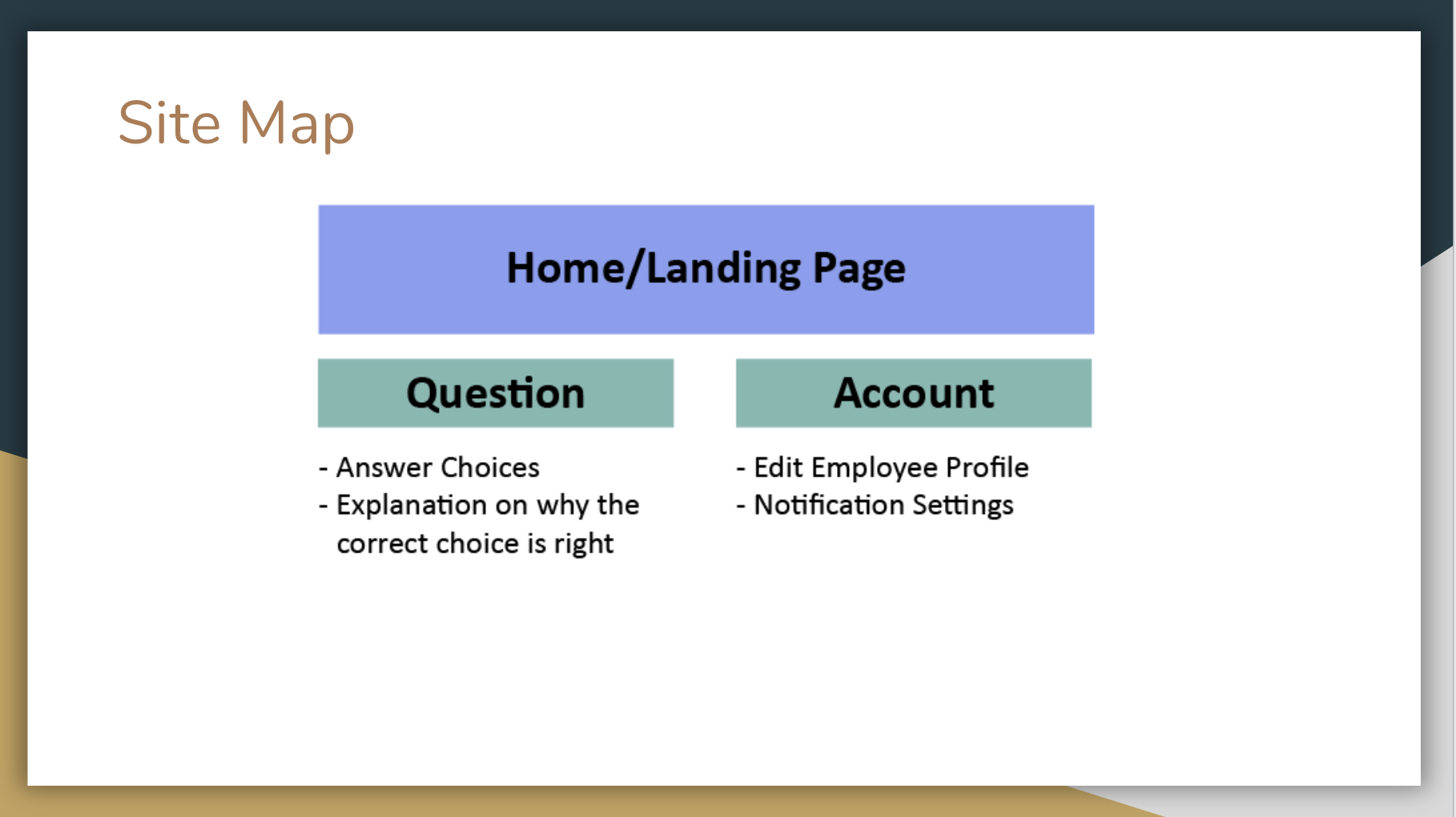
Site Map Slide
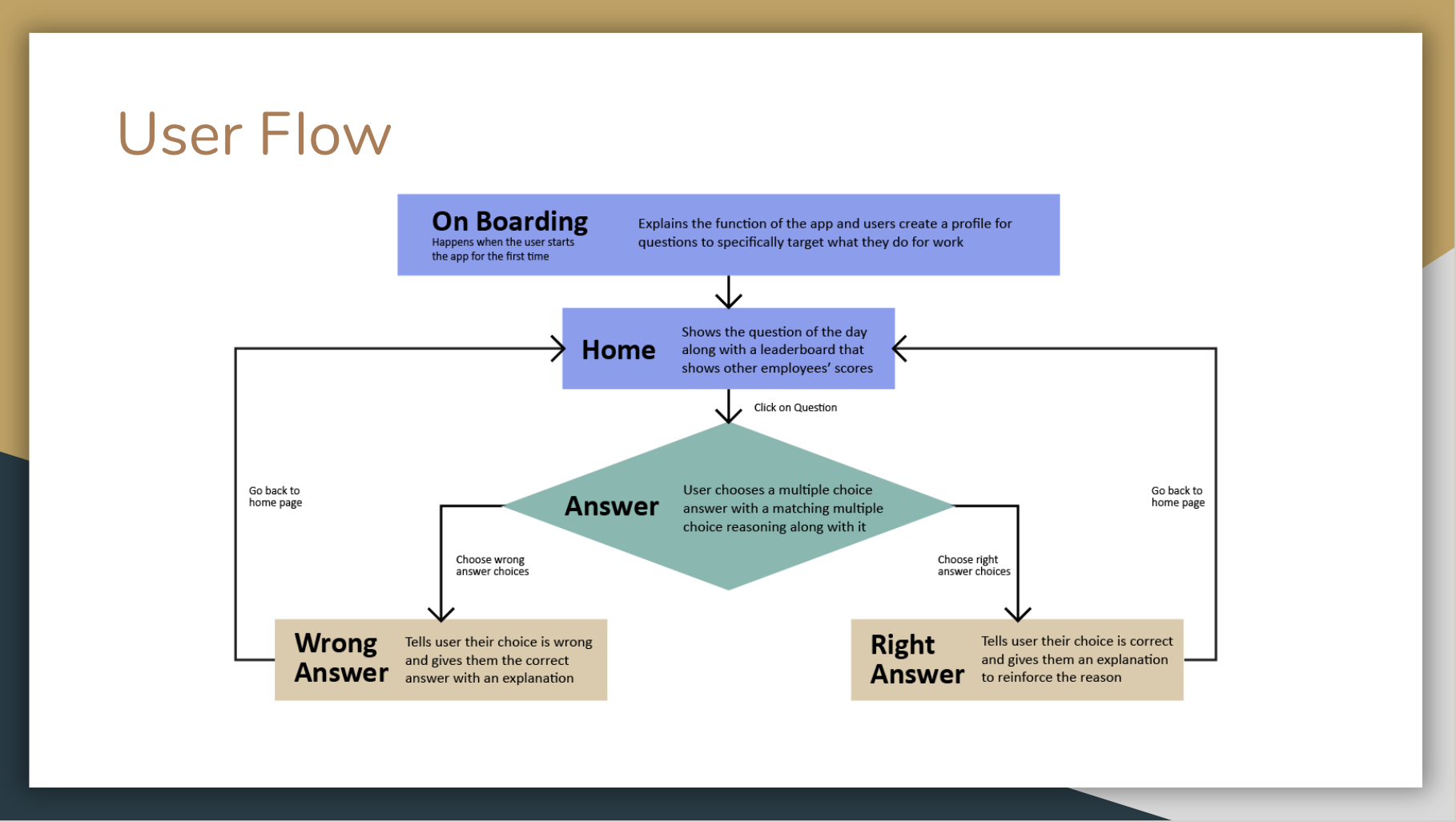
User Flow Slide

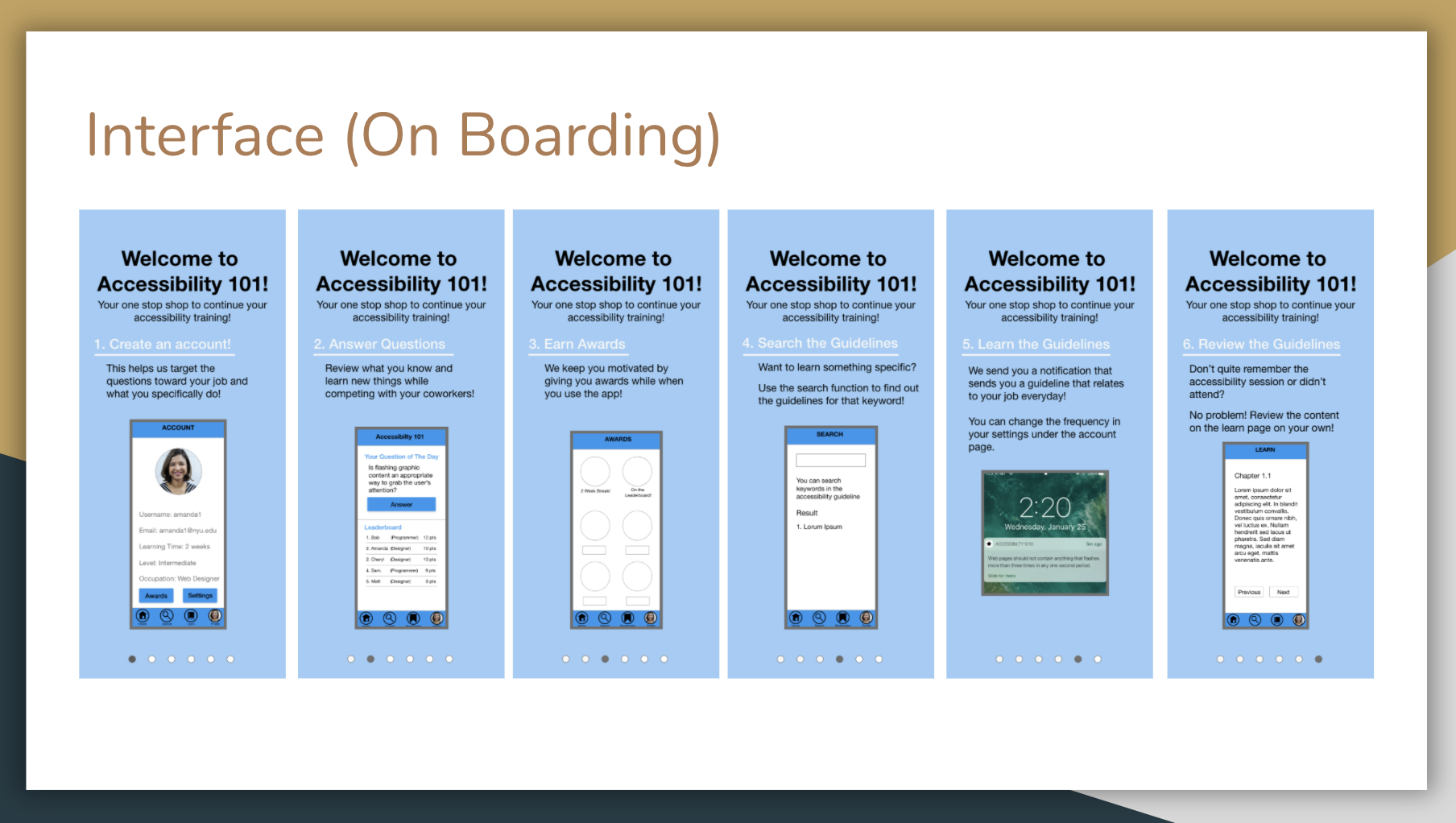
Frictionless Onboarding

The onboarding flow was optimized to quickly demonstrate value, orienting users within the competitive landscape and outlining clear paths to earn points and achieve mastery in accessibility standards.

Case Study Image

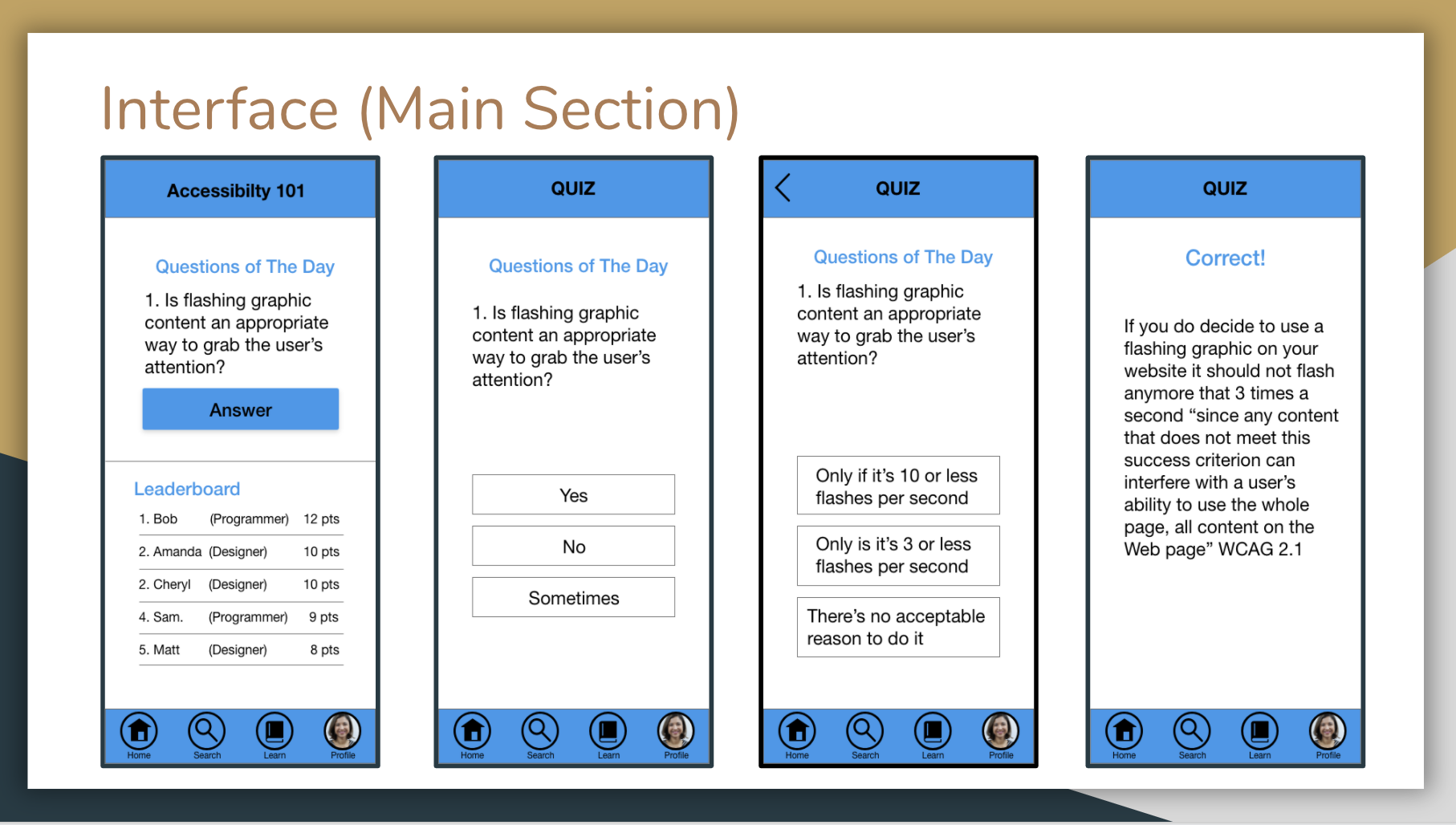
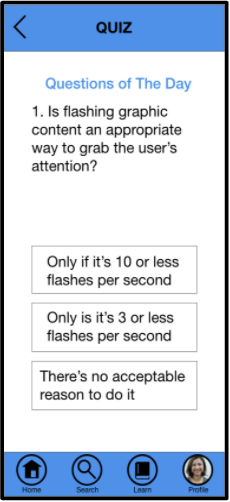
Interactive Quizzes & Leaderboards

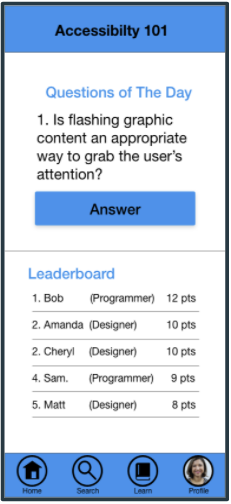
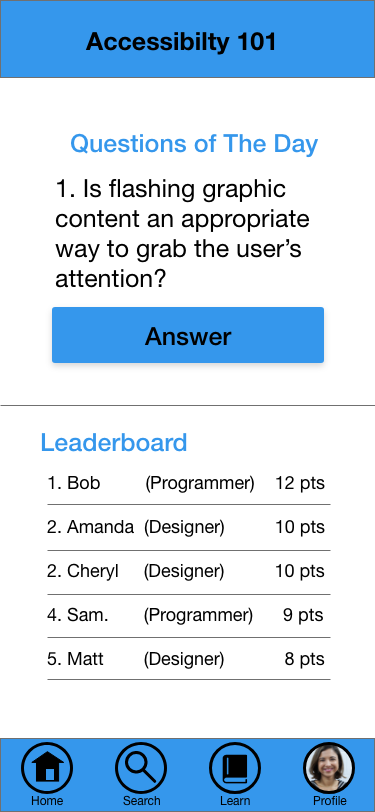
At the core of the experience is the quiz engine. Correct answers translate directly into points, seamlessly updating a company-wide leaderboard. This social transparency fosters a healthy, combative edge that continually draws users back into the learning loop.

Case Study Image

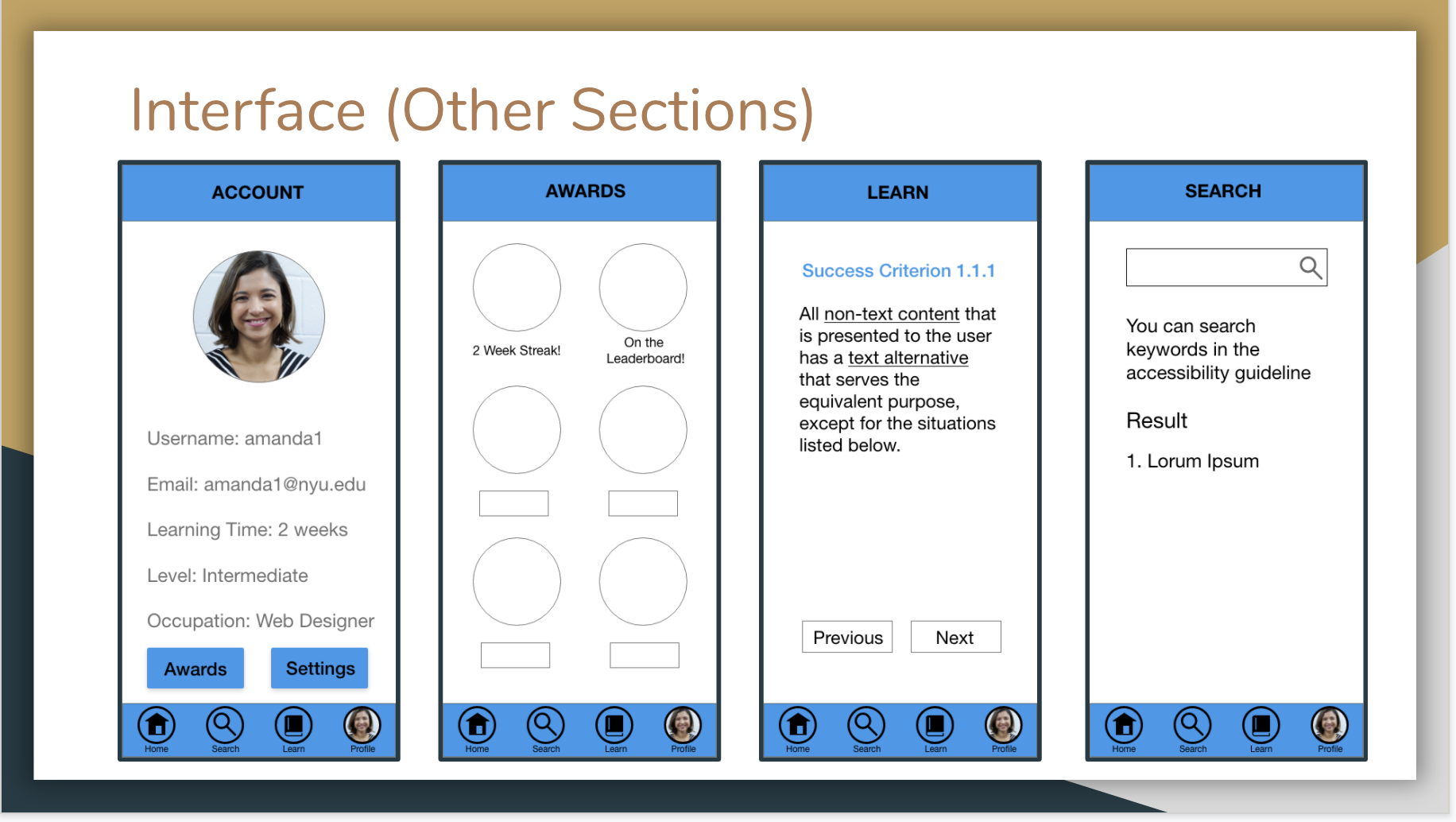
Holistic Ecosystem

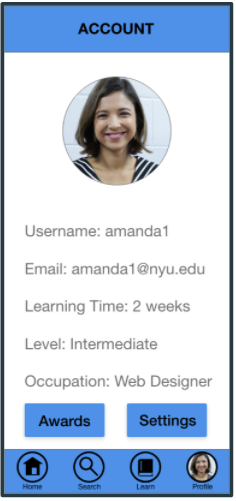
Beyond the core loop, the platform features a comprehensive practice hub for risk-free learning, intuitive account management, and a dedicated awards showcase to celebrate milestones and sustain long-term motivation.

Case Study Image

Strategic Retrospective

This initiative was a deep dive into behavior design and foundational UX research. Rather than focusing prematurely on high-fidelity aesthetics, I prioritized validating the core user experience and psychological drivers behind habit formation.

  • Validating MVP Functionality: I learned the profound value of testing structural concepts and user flows early. Establishing a robust functional foundation is paramount before layering on visual polish.

  • Strategic Research Methodologies: The project honed my ability to design qualitative interviews that move beyond surface-level responses, extracting the actionable, psychological insights necessary to build truly engaging digital products.